Upcoming events summer & fall 2026
Featured Content
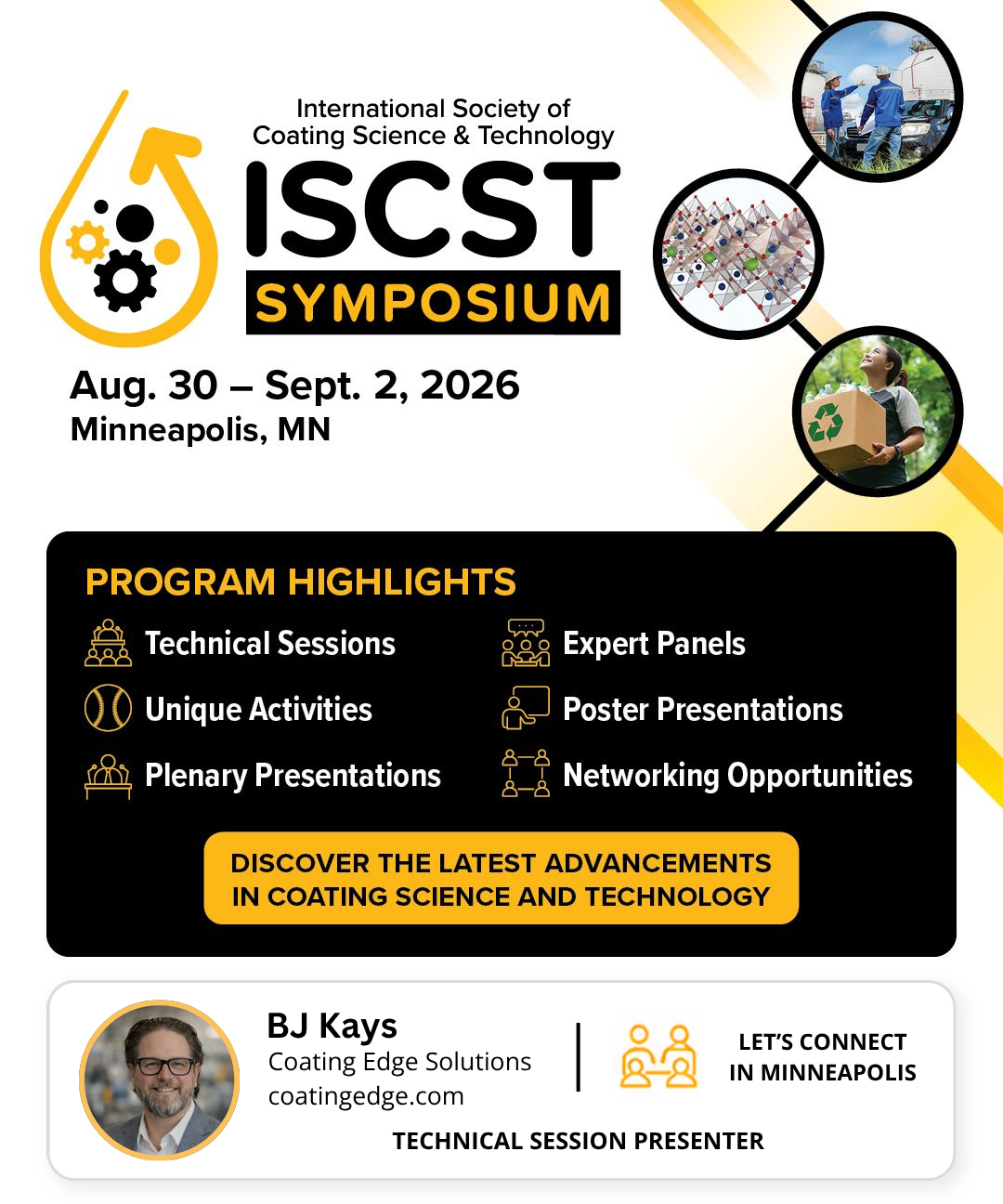
Coating Edge Solutions is Heading to ISCST!
Title: Beyond Lip Adjustment: Flow-Based Cross-Web Profile Control In Slot Die Coating
Presenter: BJ Kays
When: 12:00 PM, Tuesday, September 1st, 2026
The talk examines three slot die architectures — fixed lip, flexible lip, and the emerging T-block adjustable design — through the lens of in-process profile control capability. A must-attend session for anyone working in precision coating, battery electrode manufacturing, or roll-to-roll process development.
If you'll be in Minneapolis, BJ would love to connect and talk shop around:
Slot die coating & tooling selection
Battery electrode manufacturing
Process troubleshooting & scale-up
Coating process optimization
From Lab to Gigafactory: Rheology as a Design Input
A five-step framework for catching variation before it reaches the coating line
Webinar in collaboration with the Association for Roll-to-Roll Converters
Electrode slurry formulations may look identical on paper but often behave differently once put into production. Small variations in mixing, shear history, or batch-to-batch consistency can shift a slurry's rheology just enough to affect coat weight, cross-web uniformity, and scrap, long before anyone traces the problem back to its source.
In this webinar session, BJ Kays, founder of Coating Edge Solutions, presents a five-step framework for treating slurry rheology as a process design input rather than a downstream QC check. Drawing on experience specifying coating equipment and troubleshooting production lines across the battery industry, BJ walks through how to measure and characterize a full rheology curve, requalify it at each scale-up stage, and connect it to coating line data, so teams can catch variation before it reaches the slot die.
Whether you're scaling a new formulation or already troubleshooting scrap in production, this session offers a practical framework for building rheology into your process from day one.
Coating Edge Solutions is Heading to The Battery Show!
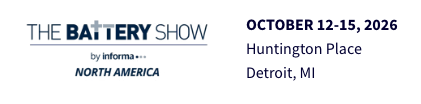
You can meet BJ at the ARC booth on Thursday, October 15th at 1:00 PM EST. Bring your questions related to slot die coating, fluid rheology and roll-to-roll processing. Or just stop by to say hi!
Not registered yet? You can register at the link provided below.
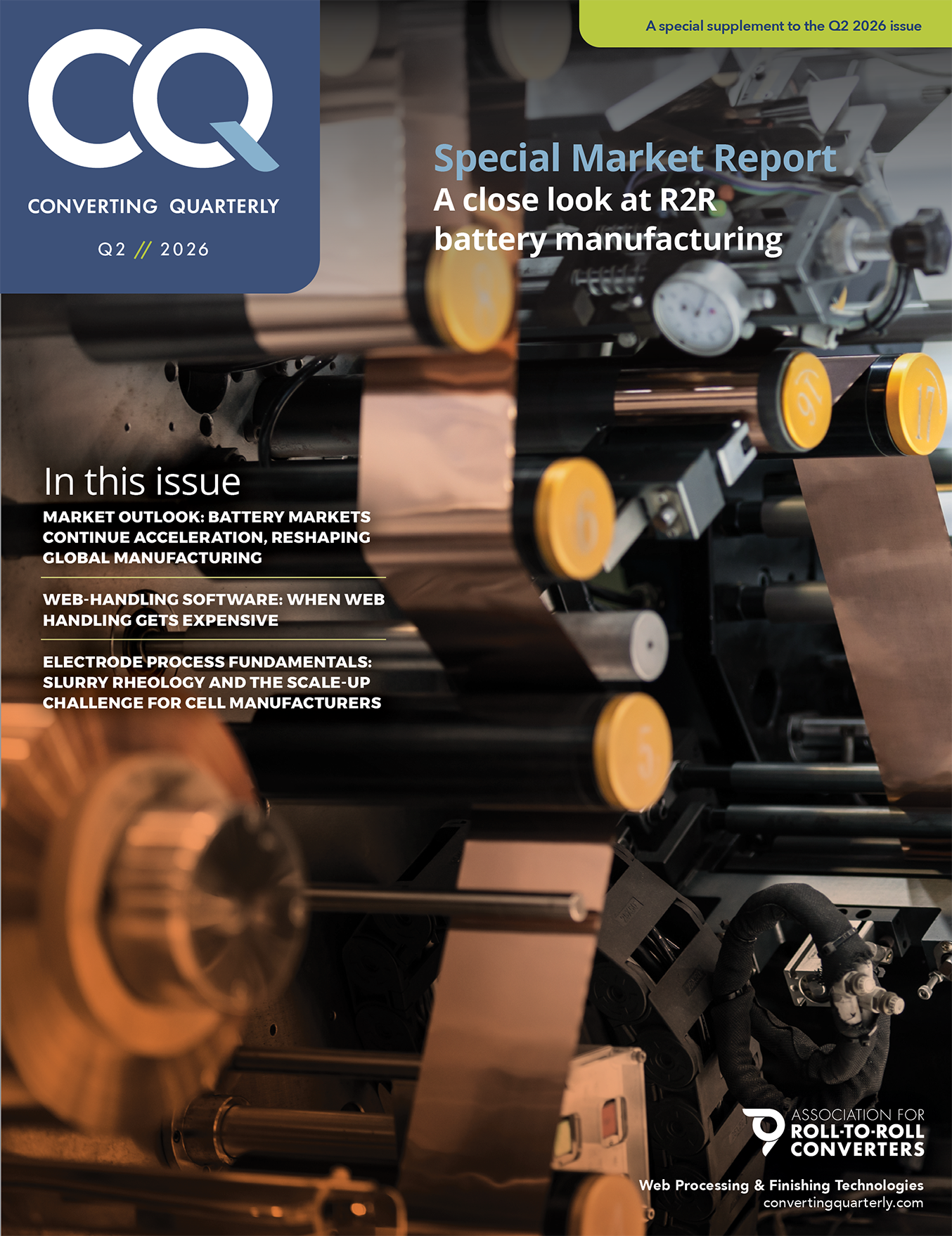
Slurry rheology and the scale-up challenge for cell manufacturers
Producing a quality coating requires more than good equipment and operator skill. It begins with controlling slurry quality as a critical process input.
That’s the premise of a recent article published in the Q2 edition of Converting Quarterly, as part of their Special Market Report on R2R battery manufacturing. The piece covers how electrode slurry rheology drives coating window definition, influences coat weight uniformity, and needs to be carried forward deliberately through each stage of electrode development — from lab to pilot to full production.